Wet Emotions and the Dry Desert of US Television Wrestling
April 9th, 2024As someone who no longer watches WWE regularly, Wrestlemania weekend left me feeling a lot of ways about wrestling. This isn't a review. I have no true feelings on whether it was a good show or a bad show. I watched a la carte, and liked what I chose(Gunther/Sami > Rhea/Becky > Io/Bayley > the Six Woman, aaaand the end of Night 2, if you MUST know). WWE, lining up with what I've heard in the last year, seems to be in a good spot, made even better by the removal of Vince McMahon, whose awfulness as a storyteller was only surpassed by his awfulness as a human being. Despite the improvement, despite the scale and spectacle, despite year long storylines coming to a close, the emotions and storytelling felt off. Not that there wasn't emotion. There was a lot of emotions. Big, loud, boisterous emotions! Story beats like giant blocks stones, built up into a giant, drafty castle. Dry bricks lacking the wet mortar to bind everything together into something cohesive.
WWE stories that feel like they're built from lego, assembled through force and held by friction. You can build truly incredible things with legos and in the same way, no one should be ashamed of enjoying the stories within WWE. If you meet WWE on it's own terms, it can be a lot of fun!
But I want to talk about the mortar. The Wet Emotions that are often underused, and under appreciated in US Televised Wrestling.
Television Wrestling is a Snake Eating it's own Tail

Despite it's immense popularity, US wrestling has a paradox. There are so many structural things you need to do because they used to draw fans, and who old men in the industry claim still draw fans. These things mostly exist now to tempt back lapsed fans and please the legacy audience. Things that wrestling grows in spite of rather than because of. No one under 20 is getting into wrestling because they watched someone work a mean headlock(Okay maybe if it's like Kenta Kobashi defending his GHC title vs Minoru Suzuki that match wasn't GREAT but it still kinda rules and has a great, long headlock spot).
It's an old cycle. Have a cheating, mean heel beat up a white meat babyface. Getting the crowd to boo them. Then getting them to pay to go to a Live Show to see the babyface get their revenge. The fakeness of Wrestling has been known for a long time, existing in a Reality TV-esque limbo. You know it's shady but it's real enough that you can buy in. You'll pay money to see some scumbag get what's coming to him. It's like magic. You know down deep it isn't real, but you want to be fooled. Now though, we book these same stories, while following the Heel on twitter. We see pictures of him and his kids. It doesn't work anymore, but wrestling still does it because that's how they've always done it.
When these patterns started there was little TV wrestling. You had to sell people on things quickly by playing off those macro emotions. Good and evil, the fair vs the unfair. It's been said many times that western wrestling is a Morality Play(idk if Chris Hero coined this, but he's the person I remember saying it), where the good suffer unjustly until justice can be served for the audience. Simple heroes, simple villains, usually simple stories, in matches with simple limb work(Oh time to make sure the high flyer can't do any of the things you want to see the high flyer do by injuring his leg!!), in tag matches always building to the same hot tag. You'd go to a live show and see this maybe once a month. Once a week if you were a big fan of your local promotion! Now, there are hours of wrestling television, over exposing these patterns.
The stories in wrestling have evolved to get more complicated, but not necessarily deeper. They still need those simple beats, their clear cut characters, because that's what old time fans are used to. They don't know to look in between the notes, not because they're stupid, but because for years wrestling has taught them that nothing is there. WWE's Magic Misdirection has always been presentation. Bright lights, fireworks, screens everywhere, booming music. Keep moving, don't think about anything for too long.
While not impossible, complicated relationships are difficult in western TV wrestling. They need ultimately fit the Babyface/Heel dynamic. This complicated, wet space is liminal. Even the audience knows it can't last. Eventually some will explode, transforming into someone else completely.
I was never your friend. It's because of the fans. We've always been at war with Eurasia.
It's not like audiences don't crave the stuff in the middle. They thirst for moisture. Roman Reigns spent years wallowing futilely, unable to get over with the crowd despite plenty of talent, until the unsure, unstable relationship between Sami Zayn and the Bloodline(Roman faction, for those who don't follow this stuff and are just humoring me) became a focal point of WWE TV. Sami brought that rare TV wetness to wrestling, with real emotions and insecurities, allowing other characters change and grow just by being in the same scene as him. Just by reacting to him. Sami was a mason laying down the mortar for everyone else to lay their bricks.
Sami had practice with stories like this with Kevin Owens, his eternal frenemy. They had a relationship that could only truly be built outside of WWE, in out in the wild west of wrestling. The type of relationship there are Homestuck Words for. Sami took that experience and enabled Roman to get over. WWE floundered at that same task for over for 10 years. Sami didn't have carry to carry him, he just had to create the conditions where a performer could shine.
Then the switch flipped and it was over. People fell into their new roles. The wetness was gone. Even emotional feuds like Gargano vs Ciampa suffer from the need for things to rest within this model. We see both flip back and forth between who is a cartoonish heel and who is the babyface. This is a binary signal compared to analog. We can't show subtle emotion naturally so we'll rapidly cycle back and forth between 1s and 0s
This only works because we allow ourselves to give into the conceit of wrestling. We don't look backward too far, and when we do, it's only when it's convenient. We borrow from past history, but we don't BUILD on the past, because the past is a shaky foundation filled with contradictions. If we try to look at things logically, both become unlikeable, unstable sociopaths. This crass type of characterization is ultimately a hard sell to modern audiences.
A Failure to be Sports

Danielson vs Blue Panther in CMLL is VERY sport!
Another problem with a Western TV wrestling... WWE, WCW, AEW, TNA, whatever... is that there isn't room for relationships because what they're doing isn't, emotionally, even a real sport within the fiction of Pro Wrestling. Because of it's nature as a morality play, wrestling is treated less like sport, and more like a life and death struggle. Matches are battles between good and evil, violent and desperate. A betrayal in wrestling feels more like someone changing sides in a war then switching sports teams. The latter would be too boring, but the former is stifling. The aggression leaves few places to go. War happens regularly between those ropes. How can even the smallest slight in the ring ever be forgiven? By making the base level sports, you can create contrast.
When you watch wrestling from Japan, wrestling form Mexico, or even some indie stuff, you can see all sorts of variations of this that make more sense. Sometimes an exhibition match is... an actual exhibition match. Sometimes people are screwing around in character. New Japan Pro Wrestling multi-man tag matches, designed to build to big shows, have wrestlers in t-shirts, sometimes goofing off, tagging out not for strategy but for the crowd, who wants to see everyone face off. This isn't an important match. It can't be. If every match is important, nothing is. You get to see the lighter side of your favorite wrestlers and, when the two PPV headliners meet in the match, the fooling around can all the sudden turn violent. Everyone's playfulness in the match makes the tense moment more tense. Drama arises from the contrast.
What's more, like in sports, there rarely are clear cut babyfaces or heels. People brought up on western wrestling will look at some Japanese match and say "Oh clearly THIS person is playing heel, and this is the babyface" because one controlled the offense more. These terms can still work, sometimes quite neatly, but they're not inherently true. They are just a lens to look at things with. They'll force everyone in their minds to conform to their lens. Or, depending on their school of thought, they might get caught up on "Tweeners", a supposedly "morally grey" characters who are simply "babyfaces with heelish tendencies...(Stone Cold Steve Austin) who will beat up other babyfaces."
These are merely an abstraction that removes a lot of the subtle story telling put there by skilled storytellers. Because that liminal space, that middle ground...? You can just live there. They're not tweeners. They're people.
Natsupoi, and my Favorite Betrayal in all of Wrestling

I've talked a lot on twitter and cohost about Stardom's Tam Nakano. Tam is, without a doubt, currently my favorite active wrestler and I will be talking more about her, but by talking about someone else first, I'll have a great example of existing in this middle space and set up a few more people.
Natsupoi is a little brat. A pro wrestling tinkerbell. A fairy who is as cute as she is frustrating. A talented performer who is easy to over look, but always ends up in some of my favorite matches. She is a great example of someone who can be selfish, short sighted, and even sometimes manipulative, but also be equally defined by her warmth and love. She was a member of the faction Donna Del Mondo, lead by Giulia(whom we will also get to). In a lot of ways, Natsupoi was the emotional core of the group, almost like their mascot. Natsupoi would have emotional ups and downs with people, especially with the now retired Himeka(If I start writing about Maihimepoi this will never get finished), but the doubt, frustrations, and insecurities always felt genuine. They hurt each other because they cared so much about each other.
You naturally chafe with the people close to you. The Unit Structure of Japanese wrestling often feels more like a bunch of people living in a house together than a western wrestling faction(1 or 2 Leaders and then a pack of dorks). Conflict is normal, not a sign of an an incoming betrayal. Living together is hard, and so is being in a unit together. Each a brick in a wall that would shake unsoundly if not for the emotional mortar between them.
Natsupoi had past history with Tam from the starts of their career(If I start talking about Actwres girl'Z this will never get finished). Tam looked up to Natsupoi back before their time in Stardom. They grew close, became tag partners, and promised to do this whole crazy wrestle thing together.
Then Tam left. She went to stardom, abandoning Natsupoi. Not only did she abandon her, she lapped her. The awkward kung fu potato that was Tam Nakano was becoming one of Stardom's greatest. Jealousy, anger, frustration, and longing lead to a series of matches between the two. Soul wrenching, violent, tear filled matches. Their 2022 Cage Match was my favorite match of that year, with Natsupoi throwing herself at Tam like a wave crashing against the rocks. Within all this violence though, was lingering feelings from the past. The ends of these matches feel like aftercare. Pro Wrestling at it's best can be unbearably intimate(Honestly me and my friend Karami will just say a match is Fucky no reason to beat around the bush.).
The betrayal that eventually came, in the moment, would feel like a WWE one. Emotionally fractured by Tam, during a Unit vs Unit elimination match, Natsupoi finally cracks, grabbing her friend and leader, Giulia. There's confusion on all sides, but the reality of what is about to happen sets in. Giulia almost seems to resign herself in that moment(Giulia is so cool you don't understand. She's going to get over in WWE and you're going to think you understand and you're STILL not going to understand.). Tam kicks the immobilized Giulia, allowing Natsupoi to suplex her on the apron, leading to the end of the match(ONCE AGAIN IF I TRY AND EXPLAIN UNIT ELIMINATION MATCHES I'LL--). She can't keep fighting with her. She wants to be with Tam. She has to be with Tam. Something in her life had to change. Too much of themselves have been laid bare in the ring together.
What happens next is, I think, illustrates a very different philosophy on stories than WWE or AEW. Because Natsupoi isn't a heel turning face, or a face turning heel. She's not some tweener. Her actions are for love, but are selfish and impulsive. Doing something awful, for beautiful reasons. She is, as she always is, an emotionally impulsive brat. She made a costly choice, but it doesn't fundamentally change who she is. It adds to her. We're not learning Natsupoi was secretly a monster, or that she was never truly a friend to everyone in DDM. We are watching a character make a choice and then deal with the consequences. If this was in WWE, DDM would beat her down. There would be fist fights and brawling. Maybe John Cena's music would play as he ran in for the save. Fun, but vapid. Lego pieces snapping into place.
Instead what happens is much worse. Giulia talks to her. Natsupoi must be confronted with emotional wounds she just inflicted.


She even jokes like... "Really? You were just taking mad shit about Tam, weren't you?" She is cool headed, almost a good sport, but is trying to hide a layer hurt behind her tough girl persona. What would be portrayed on TV as a defection to a rival army is instead portrayed like a messy break up. Everyone bears their soul, their feelings, their insecurities. Natsupoi says she's done being DDM's mascot, that she has to leave and grow, only for Himeka, the woman she was the most close to, to say to her, tears in her eyes "... I never thought about you like a mascot. I respected and loved you."


Perhaps if words were said earlier, this would never of happened. Perhaps these relationships could have been saved. But a decision was made, and everyone involved had to live with the consequences. I've seen hundreds of men beaten by their angry ex tag-partner, having lost one match too many. He'll be fine by the next show. How much more torturous is it to sit there, listening to how disappointed and genuinely hurt people you still care about are about the decision you just made. Maika sees the conflict in Natsupoi making this decision, and you can see the stress and pain showing in Natsupoi's eyes(These are truly the eyes of a girl who broke up with 3 girls for another girl).


The only member of DDM to not be hurt by this, Mai, leaves silently. She left Tam's group, Cosmic Angels, to join DDM not too long ago. Why would Natsupoi leave to be with a bunch of ex idols? It's as if Natsupoi's decision made her reflect on, and feel uncomfortable with her own. What does the little Brat see in Tam that I don't?(Mai Sakurai has a great moment, years later, as she goes to depart Stardom, where she admits to Tam that... while she doesn't regret leaving Cosmic Angels, her time there with her, with Tam, was important to her. In 2022, those feelings were still too raw)
No one suddenly flipped their character. All these decisions, everything said, were all deeply, painfully in tune with their characters, made unpredictable not through big sweeping story beats but by seeing what lays emotionally between two different human beings. This experience changed everyone involved, but instead of pivoting their characters, they all accumulated emotional scars, adding to the texture of their individual stories.
These scars are never forgotten. Every time Natsupoi would meet in the ring with DDM, old wounds would ache. Not necessarily violence and anger(though certainly some anger), but also melancholy and longing. Frustration... and at times, moments of understanding. Wounds heal. You can forgive an ex easier than you can forgive a someone who tried to break your neck with metal stairs. Forgive someone who cheated at a sport sooner than someone who tried to end your life.
This is my favorite betrayal because everyone it's so real, so relatable. No one suddenly becomes a monster. They are themselves and you see each deal with the emotional weight differently. Natsupoi's actions weren't evil but they were selfish. She suffers the consequences for her selfish decision, but also gets what she wants. She gets to be with Tam. This isn't a morality play. Natsupoi isn't expected to karmically pay the balance. It's a gooey, complicated mess. The sticky, cohesive, wet emotions* I crave, the stuff that binds all these characters together.
Western TV Wrestling can dip into this, but they can't stay here. It's like trying to hold a switch between on and off... you can do it, but the switch will fight you. It wants to be one way or the other. The Team gets back together, but eventually, Ciampa betrays Gargano and the cycle repeats.
But What is the Story About?
“When I’m expressing myself in the ring, there are times I’m thinking, “Girls probably have an easier time understanding this.” [...] I hear men talk about it just like, “Oh Tam hates Giulia.” It’s not that simple!
I think about this Tam quote a lot (While this translation isn't public, thank you Dana for making so many translations for the community). While I don't like to go down the route of pro-wrestling Gender-Essentialism, I do think a of people, despite watching a lot of Pro-Wrestling, aren't actually good at watching pro wrestling(If you're feeling judged, I doubt my own ability to truly watch all the time, but like all mediums, appreciation almost becomes a skill you can practice). Over here, it's even worse because many have been trained to think The Story is being told when a mic is in someone's hand. That the wrestling is a vapid but fun action scene. That "Five Star Matches" are overrated because "Where's the story?"
Most people's idea of a story in the ring is 'he worked a limb'(Targeting an opponents limb to hobble them during a match. Usually this targets a pre-existing weakness, or an important body part to someone's offense). Oh his leg was hurt, then he tried to do his top rope finisher, and got caught in his hubris. That, though, isn't really the story. That's the plot. That's the series of events that happened, but why did they happen, and what came of it? What does it say about the people involved. What do their mannerisms say. Watching Tam and Natsupoi wrestle in 2022, you watch the walls coming down between the two. There is no limb work, just souls laid naked before each other. There's no limb work, not because either is incapable, but to quote Tam her self... Those aren't the stories she wants to tell.
Let's enjoy our time alone in this steel cage hell where there is no escape.
No matter how much you scream or cry, I won't let you go.
This was Tam's last tweet to Natsupoi before their cage match and it lets you know exactly what stories Tam wants to tell. Now the formula of Sports can be temporarily shed for something more violent and intimate. It's one thing to work someone's leg, but another to work their soul. When one grabs the other's hair, is to destroy them? Or is to hold on, to be close, to be connected? Two girls slap themselves on top of a cage not because they want to win -- if they want to win, all they need to do is fall(Okay the rules of this match actually make this not true cause they were fucking weird so just shut up and let me be poetic) -- but because this is all that is left for them to communicate with. A steel cage, traditionally, is used as a way to prevent outside interference, or to prevent a cowardly opponent from escaping. Here, it is a cage for their emotions, a place where they can't escape how they feel for each other. How you feel for for someone can be deeply painful. You can't escape your feelings, locked in a steel cage hell.
They talk a lot in WWE about walking into Cage Match and never walking out quite the same. They say it, but never show it. Well, the story here is walking in an aspiring rival and leaving wanting to be someones partner, literally being transformed by steel and tears.

I could go on about this forever. Talk in detail about Giulia and Suzu Suzuki, how their fighting went from hateful exs, how Suzu fought out the hate inside her, mellowed out, how she confronted Giulia again during the end of her Stardom tenor and... had a sports match. Until the end. When the passion game back one last time. Brawling, clawing and screaming not as angry ex's again, but reliving an old spark.
Conflict exposes the intersection between two people, bearing the soul, and creating change and growth. A lot of people loved the Wrestlemania XL main event, and it was mechanically fine. It was certainly crowd pleasing, but at the end of the day, the story between Roman and Cody, as people, is simply "one has something the other wants". They don't expose anything about one another. They don't force anything to change. There isn't much of a story, just intricate plot beats. Both men leave this feud barely changed, the only change being one of status. The richest emotional callback is Seth invoking the SHIELD(lol he fucking bleached his hair for the run in), and his 12 year ago betrayal of Roman(Holy shit 12 YEARS???). Roman's old wounds cost him the title. That callback loses much of it's impact to me though because the characters are already so static.
Roman didn't change going into this feud, and continued not change. Cody came in fully formed, like he hatched out of an egg in a suit. He had obstacles, but he didn't have growth. This isn't a great story, even if for many it ended in a great moment. Moments are WWE's true stock and trade. Like the Millennium Falcon lego set. You built that with only that?! You don't need to be a great story to have a show that feels great. It's a great Pop Song, whose catchiness undeniable. There's no shame in liking that.
It still burns me though, to see them cite themselves as the "Company who tells stories". There are so many more places to look where people are free to weave deep stories. It's not just a "Stardom tells great stories and everyone else sucks" thing. They're just my favorite, and their style of storytelling doesn't land for everyone. Their style of work doesn't either. I could talk about non-stardom wrestling. I could talk about Eddie Kingston and Jon Moxley, the two fucking wettest boys in wrestling, physically and emotionally. AEW is only mildly better(And sometimes simply worse.) than WWE on the story front, and mostly just because some wrestlers are given enough room to cook. Or get away from US cable TV entirely. Please, if you love wrestling, look outside what's on TV.
I sometimes feel like a fraud liking what I like so passionately because there is so much to enjoy that I can't sample everything. There is so much, something for everyone, something for the tastes you don't even know you have.
Stardom and New Japan too vanilla? You can watch TJPW and DDT. Marvelous and Dragon Gate. Ice Ribbon and idk, fucking Gleat or some shit. There are tons of Mexican indies if AAA and CMLL isn't raw enough. For english wrestling you could watch PWG, GCW, DPW... You can go back in time and watch 90s All Japan, or old Territory wrestling. Maybe you want TV so bad you go back and watch Lucha Underground(It's dead and over, you can literally watch it like a TV show it's on Internet Archive or some shit), which realized if it was going to be on TV it should act like a TV show, with stories that fit their style and the medium.
Not all of these places are going to be oozing with wet emotions. Maybe you don't even want that. But if you've only watched the wrestling that is easily accessible, you probably don't even know what you actually like yet. Many of my favorite non-industry people to listen to talk about wrestling don't even think a lot of the stuff I like(I saw someone compare Tam to Cody Rhodes and that is the meanest thing I've ever read in my entire life.) is good... But you rarely see arguments. Sometimes it's even more of an excitement, realizing we're all weirdos and wanting to know why everyone likes what they like.
Well, I know what I like and it's Blood and Tears. The wettest emotions.

Mario 64 B3313, Intended Experiences, and a bit of myhouse.wad
April 9th, 2024Mario 64 has been one of my favorite Mario games for a long time. This isn't really an uncommon opinion, as this game hits a certain nostalgic window for some people. It's a game people often remember fondly before going back and remembering how janky it is, or how rough the controls can be... how scattershot it's design was. What appeals to me about Mario 64 isn't that I was young. It is that the genre was young and it is the type of weird game that can only exist within a short window. The type of game that gets made when everyone is talented, but no one quite knows what they're doing yet.
 3d Level Design in the mid 90s
Mario 64 is a game about awkward but powerful movement options paired with open concept stages that were assembled like old playgrounds, where woodworkers would concoct accidental fortresses of death because "I guess that looks fun to climb!"
These are structures begging to be used wrong. To be climbed wrong, to be fallen off of. The flat wood almost like crude polygons, begging to be grabbed onto and stood upon. To reach out of bounds, with rough, sharp edges waiting to give you horrible, dagger like splinters...
Okay maybe there's a reason we don't make playgrounds like that anymore... A reason we don't make 3d platformers like Mario 64 anymore. Yet also the reason that games keep going back, to capture that spirit, to get all those feelings but in a less cumbersome, fresh package(I'm basically talking about Breath of the Wild).
But we're not talking about that today. Today we're asking "Okay, but what if we made it worse? What if we just doubled down?"
Prototypes, Betas and B3313
An interesting thing about Mario 64, and the Nintendo 64 in general, is we have a lot of old tech reels showing really half baked experiments. You can read up on the Shoshinkai/Space World '95 Beta, look at some videos, look at promotional material and be hit with this uncanny feeling of familiarness. Things move almost but not QUITE the same. Areas have the same vibe despite being totally different.


None of these roms exist, even after the "gigaleak", but modders have spent tons of time meticulously recreating this content, just like how the BS Legend of Zelda was "preserved" from VHS tapes. This has also lead to weirder content. Weird stuff like Greenio's fake beta content, presented in the style of believable old media. Or the MIPS Hole, a weird creepypasta like take on Mario 64 as a weird AI trying to give the player unique experiences. I'm not really into the creepypasta stuff, but like the backrooms, while the horror and world building doesn't appeal to me, the uncanny, liminal sense of space does. Internal Plexus (as the kids call it) of Princess Peach's castle. The inconsistencies, the impossible space. Usual things for old videogames, or even videogames today.
B3313 presents itself as another Beta build. Unlike myhouse.wad, it seems more openly honest about it. Nothing truly seems to present it as "a real, lost beta". You know what you're getting into.
The game presents itself as the Shoshinkai beta. The same weird dialog boxes, different controls(No long jump, weird triple jump, no backflip, weird dive/kick controls...), different textures. The same stages that were seen in the old handcam footage. But then the levels start to change -- like to different versions. First resembling this video, then resembling that old photo. There is no reliable star tracker to tell you what stage is what, or which version of Thwomp's Fortress this is.
Now Thwomp's Fortress lets you go inside.
For as wrong as each of the beta recreations feel, there is something uncanny about finding a space that didn't ever exist. It feels like an inaccurate dream.
Eventually you figure out the numbers on the doors are changing. You realize this 'same lobby' is different lobbies. You find ways to control which lobby you're in. Now you go through a door and... wait this is a different lobby. You go outside and now there is a day/night cycle. You go behind the castle and... wait... since when could I go behind the castle?
Doors go one way but then not back the other. You get lost, tangled in a web of secret passages. Wait, am I in the retail version of Mario 64 now? Wait, I thought the shoshinkai beta didn't have the long jump, why is the game letting me long jump again? Wait, I have NEGATIVE lives???(I recommend figuring out how to do this. I suggest using the plexus lobby)
Even when content is new it often seems to purposefully invoke a vision of previous areas. Oh this is a Bobomb Battlefield-like. What if a whole stage was based on the city part of Wet Dry World? Or sometimes a stage is just... new. Even the new stages keep up something I feel like many Mario 64 romhacks don't. They embrace the playground. Stages have a seemingly random amount of stars and often they're easy to get. You could clear some stages in 3 or 4 minutes. Go to the highest spot, find the one weird yellow box, get 8 coins, done. It embraces the wrongness. If you know how to move, how to climb steep surfaces, how to milk your jump height to grab seemingly impossible ledges, you can just scale all over everything. The game isn't trying to be a challenging obstacle course. In fact, when stages are hard, it feels in that same almost accidental way as Mario 64. It feels like old designers trying to figure out what makes a stage, leaving you to dig through piles and piles of half baked cut content but in the best possible way.
Yeah it has some weird creepy stuff, some jump scares, and some... kind of plot. Some of it is cute. I won't say I disliked evil T-Posing Dark Mario chasing me, only to have him crash my game when he makes contact... but the weirdly evolving and devolving nature of familiar content really grabbed me, leaving me feeling both excited and uneasy.
Destroying the notion of the Intended Experience
I'm always on the cusp of some argument about difficulty in games, and difficulty settings, and something that comes up a lot is the idea of the Intended, or Optimal Experience. If you don't give the player knobs to turn and settings to change, how will they perfectly calibrate themselves to fit into the groove of the Intended Experience? Clearly, you are designing for an Intended Experience, right?
I hate this concept. At best, it is a lie designers tell themselves, tricking themselves into thinking they have that much control over how people perceive their work. At worst, it is a suffocating standard, that overs sands, over polishes, and over tunes. In fact, one of the best defenses for things like difficulty options is the fact that there is no "perfect experience" anyways. Whether you want to design around Difficulty Settings or not is another story, but either way you need to design around a range of possible experiences(Dark Souls doesn't need an easy mode because it's already designed around the potential experience of 'the player isn't good and will need help' and gives tons of in-universe ways to relieve the pressure and not recognizing this is lazy and/or cowardice!!!). Anyways, isn't about difficulty settings, the important part is the concept of Intended Experiences.
B3313 is both not that hard and EXTREMELY hard. Stars, as I said, come easy. Levels can be tricky, only slightly more so than vanilla Mario 64. This has nothing on the various romhacks out there. Instead, finding everything you need to find and actually reaching the end game feels absurd to me. We think of Mario 64 as the game you're expected to beat, and the game you get 120 stars in if you REALLY like it... but I don't think B3313 is like that.
I think the "intended experience" is you get lost what feels like an infinite play space. That the Internal Plexus seems infinite. That you can leave the game unbeaten, feeling like you've barely scratched the surface. The intended experience of B3313 doesn't seem like it's to be a game to conquer, but a weird relic you find. The relic has answers! it NEEDS answers carry any weight(This is why JJ Abrams sucks)... but it's not essential that you find them. The goal is for you to have a unique and personal experience with this object. There is no groove to fit yourself into. The only "intended" part of the experience is that you have a memorable one, and that the experience is yours.
The game even has some degree of randomization. Personalization Values, as they're listed in the game's code. These do a bit of dynamic difficulty scaling, but they do other strange things too... discolor things, change your hud, changing the SIZE AND DIMENSIONS OF WHOLE AREAS, all in an attempt to make your experience both unique, but also shareable by not being entirely random. Is that weird lobby you found one your friend didn't find? Or was it just intentionally corrupted textures for your specific playthrough?
Beating the game at all feels like "100%ing" it. 100%ing feels like... crazy person stuff. For awhile there wasn't even an official count(And the Unabandoned version still doesn't have one) of stars and some star IDs were glitched and even overlapping. Some still are, for mysterious reasons. Ultimately, they're not important. You're not really meant to get all the stars. The fact these bugs weren't a high priority for so long exposes where their priorities are. Sure, they still fixed them, but trying to do the impossible is valid too, after all. The game is confident enough to allow you to experience it under your own terms.
The best game experiences aren't consumptive. They arise in the intersection of yourself and the art you're engaging with.
Contrasting with myhouse.wad

I forgot to write about myhouse.wad when I played it but it's interesting to go over a few things quickly.
I love myhouse.wad. I might dig it more than B3313? I think it's a much cleaner package, but at the same time B3313 would be WORSE if it tried to be cleaner. You see two things playing with the same concept -- cursed old game media filled with liminal spaces and horror? I think myhouse.wad hits with it's story pretty well though. B3313 has one, but it's... not important. It's about the fucking Super Mario Bros. Meanwhile, myhouse.wad is about people and real experiences. Not literally real (maybe some of them might be), but human experiences. I think myhouse.wad wants you to finish it, to figure it out, to get the story, where B3313 want's to just overwhelm you.
I like that each has a great strength that is in direct contrast to the other. They fundamentally can't do what the other is doing, even though they both are drawing water from the same well. That's pretty cool!
Okay but which version of B3313 do I get??
God I have no fucking clue. I did the official 1.0 version. The upsides seem to be more polished and ends better. The latter only matters if you're a sicko like me. The Unabandoned version has the support of more of the original team. There is some drama going on and the original team leader seems kinda nuts, but I kinda wanted to see the weirdo's vision. Upside of the Unabandoned version is more stars(like 471 vs 450 in the official version) and "more content"(I have no idea what that means). Getting lost and fighting stuff is definitely the major draw here so that might be good? There are few resources to truly help make a good decision. That said, I don't think you can go wrong? Both are WAY WAY too much game, but in a good way, so just go with your initial impulse.
Design Lateralism, the Demon’s Souls Remake and Why AI Art Can’t Be Creative, but Is Still Inevitable
March 26th, 2024My friend Mirai has been doing her first play through of Demon's Souls and, bless my heart, she's been playing on the PS3. Mirai and I talk a lot about art stuff, so I couldn't help but to throw random screenshots from the Remake at her so we could have a giggle. Surely this wouldn't devolve into hours of screenshot comparing, and grumbling, and... well(It always ends up as an article, I swear to fucking god Mirai).
... I thought I was over this, but here I am, accidentally scratching open old wounds.
To be clear up front, I hate the art direction of Demon's Souls Remake. I mean hate hate it. If you like it, that's cool, no shade, we all have our own priorities. We care about different things, and tolerate different things differently and it's fine IT'S FINE YOU'RE FINE~
I think it's deeply important for a remake to have it's own identity. I think it's impossible to make a perfect remake without having your own opinion. Even if you slavishly upscaled everything exactly to match the original designs, changing the fidelity of the content changes the context. You get the repeating grass field in the ps3 Shadow of the Colossus(Don't ask Neolucky, the BEP cutscene artist about Bluepoint's SoTC remake, she might be a bigger hater than me) remaster. Stuff just doesn't work the same way when you scale it up(so stop upscaling and smoothing out vagrant story you fucking animals oh my fucking god).
You gotta make decisions and they made decisions, as they should have! But I swear to god, somehow, as far as my tastes are concerned, and despite all odds...
Every single one of them was bad.
That sounds like an unfair statement. It kinda is an unfair statement(Some of them are at least mid). Some less invested people look at me crazy when I say it! Bluepoint has tons of technically great artists! These designs aren't poorly executed or awkwardly designed. Everything is high fidelity, perfectly color graded, well performing, and well optimized... but there's a problem.
Years ago I wrote an article, "Design Literalism vs Lateralism"(which, while no longer on this site, is available here). It's rough, even by the standards of most of my writing, but I think the concept holds up. From Software excels at this "Lateral design", doing things just a little weird, a little different, seemingly picking the literal options that people shy away from, but going lateral where people like to play it straight. For those of us obsessed with From's designs and art, this is one of the biggest appeals, and one of the things about them that is the most difficult to imitate.
The problem is... Whenever confronted with a situation that forced them to make an artistic choice, Bluepoint would choose the most standard option. Make the most expected decision... Almost as if they saw From stray from the formula, and assumed they made a mistake.
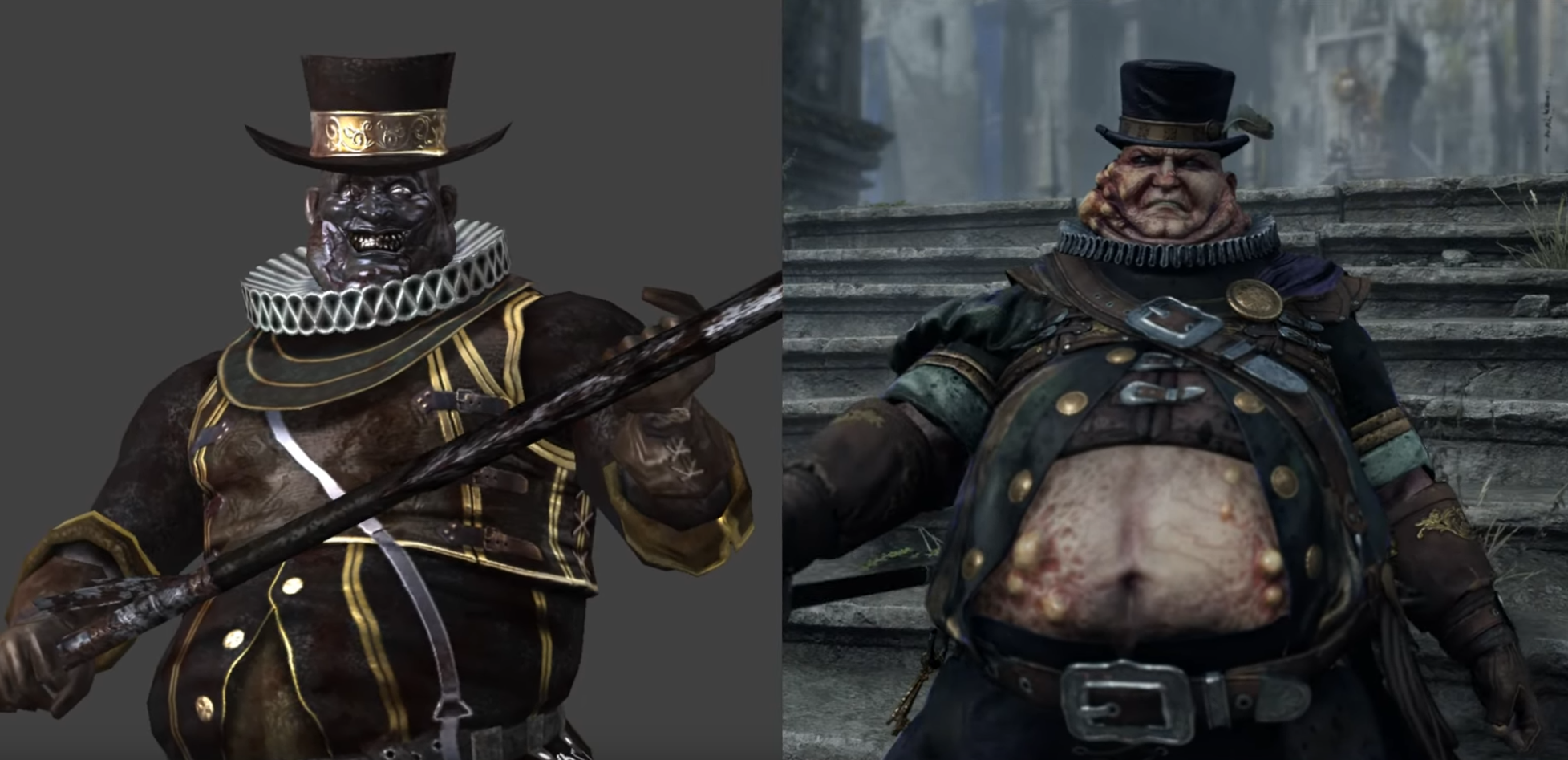
What, you had some fat evil men and forgot their BOILS? Amateurs.

What, why would this demon look so goofy and unnatural? Amateurs!
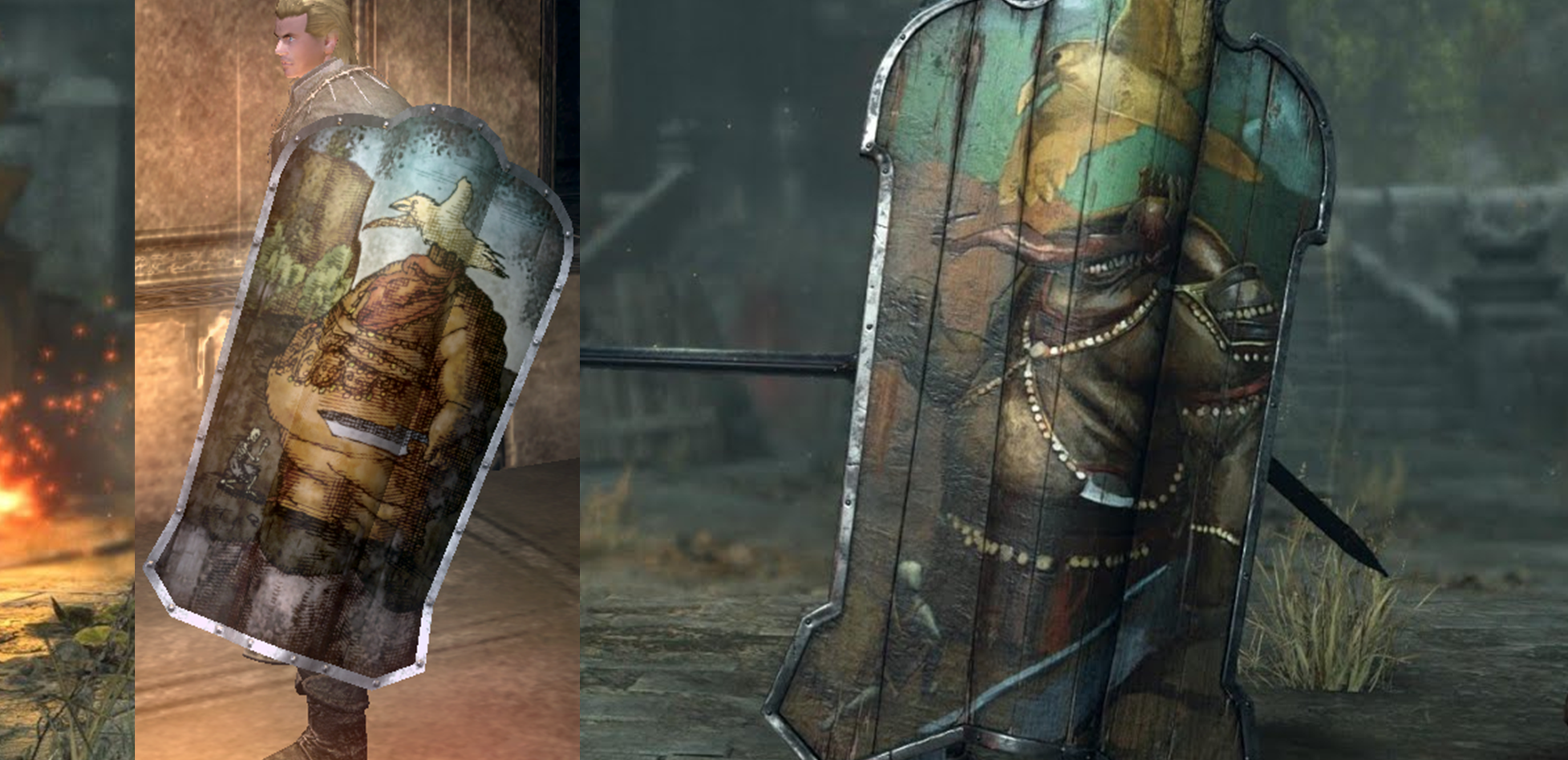
What, is this, a child's scribble? Don't you know a 3/4ths pose is more dynamic?
AMATEURS!
I could keep going, weapon and armor designs, to environmental design choices, weird details that make no sense...
Why does Vanguard have shackles and chains on him? Was he captured? No that's... just what you do? Why does he have holes in his wings? To look more gross, obviously! That's just what you do! It looks cool, right?!
You could do this with so many design decisions in the Demon's Souls Remake, but I want to focus on one.
We're going to talk about why Bluepoint's Flamelurker sucks shit
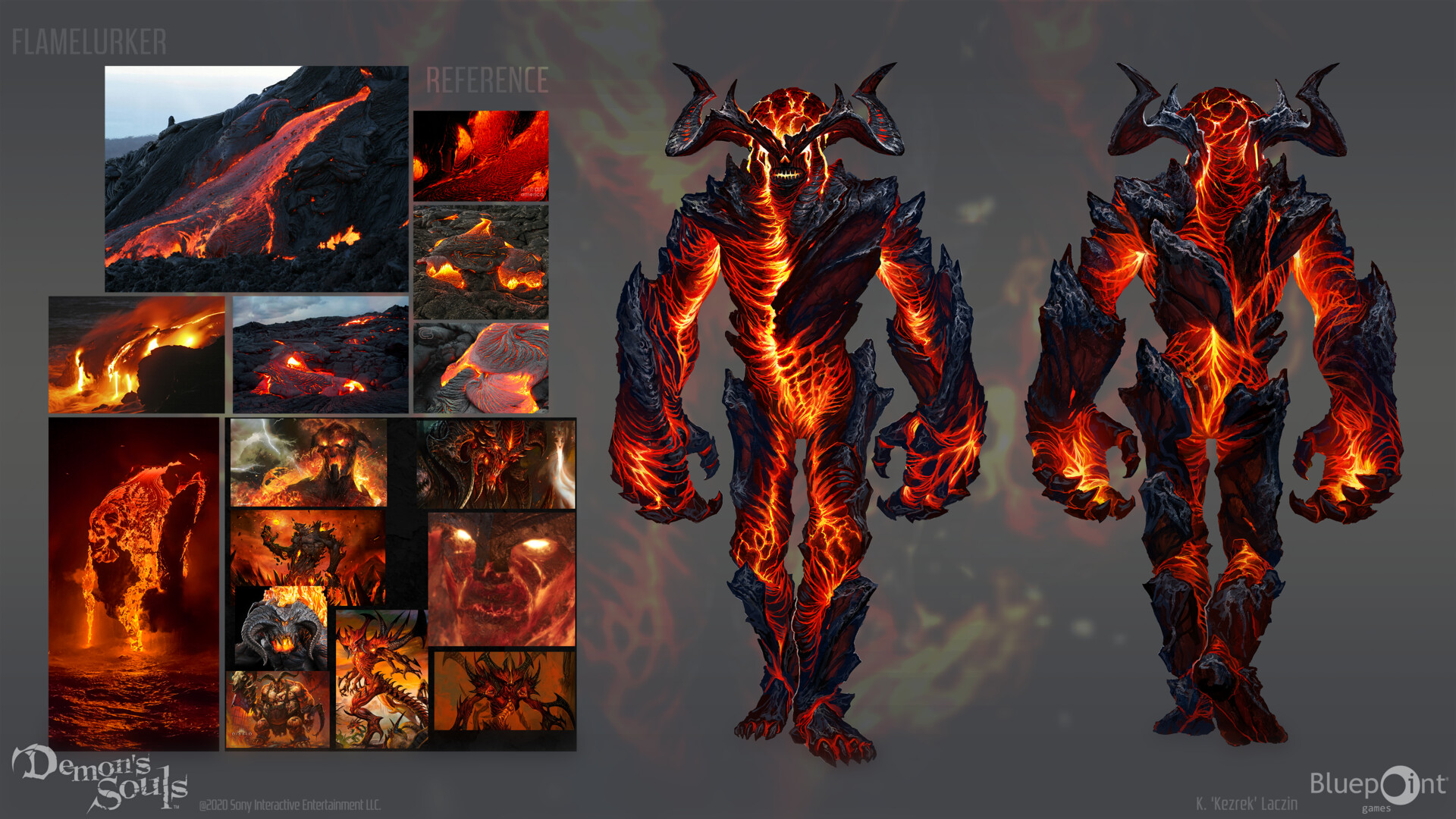
Click that link and give it a good look. Look at the inspirations, look at everything. Now, to be fair, I hold no individual artist responsible for anything. I don't know what their briefs looked like, what their art directors said, or how much time they were given. Most of the concept art is very well executed. These are talented artists. I know factually that there were people on that team who fought for details they thought were important. I hold no one person to blame.(At least one person on that team thinks Blizzard and WoW are the peak of Fantasy Art and that person needs to be ashamed of themselves. But I don't know who it is, so the whole team gets off scott free... this time.)
This isn't even his final design(If you wanna see it, there is a video lower down in the article). This design was in the first trailer, where fan outrage made them change the head. All that aside, seeing what was originally intended(even though they claim it was a "placeholder", despite concept art) gives insight to how they think because... this could be a fire demon from anything.
Fire demon? You gotta do LAVA, right? and BIG, BIG demon horns. Why would the original design have small, goofy horns??? Gotta be built like an ape, like hellboy! Gotta look BIG and MONSTEROUS! How else are we supposed to know it's POWERFUL? And the Arena? Gotta make it look like some Diablo hell shit! Also the mouth of the temple? It should be a BIG DRAGON HEAD cause it leads the DRAGON GOD and that would be EPIC!!
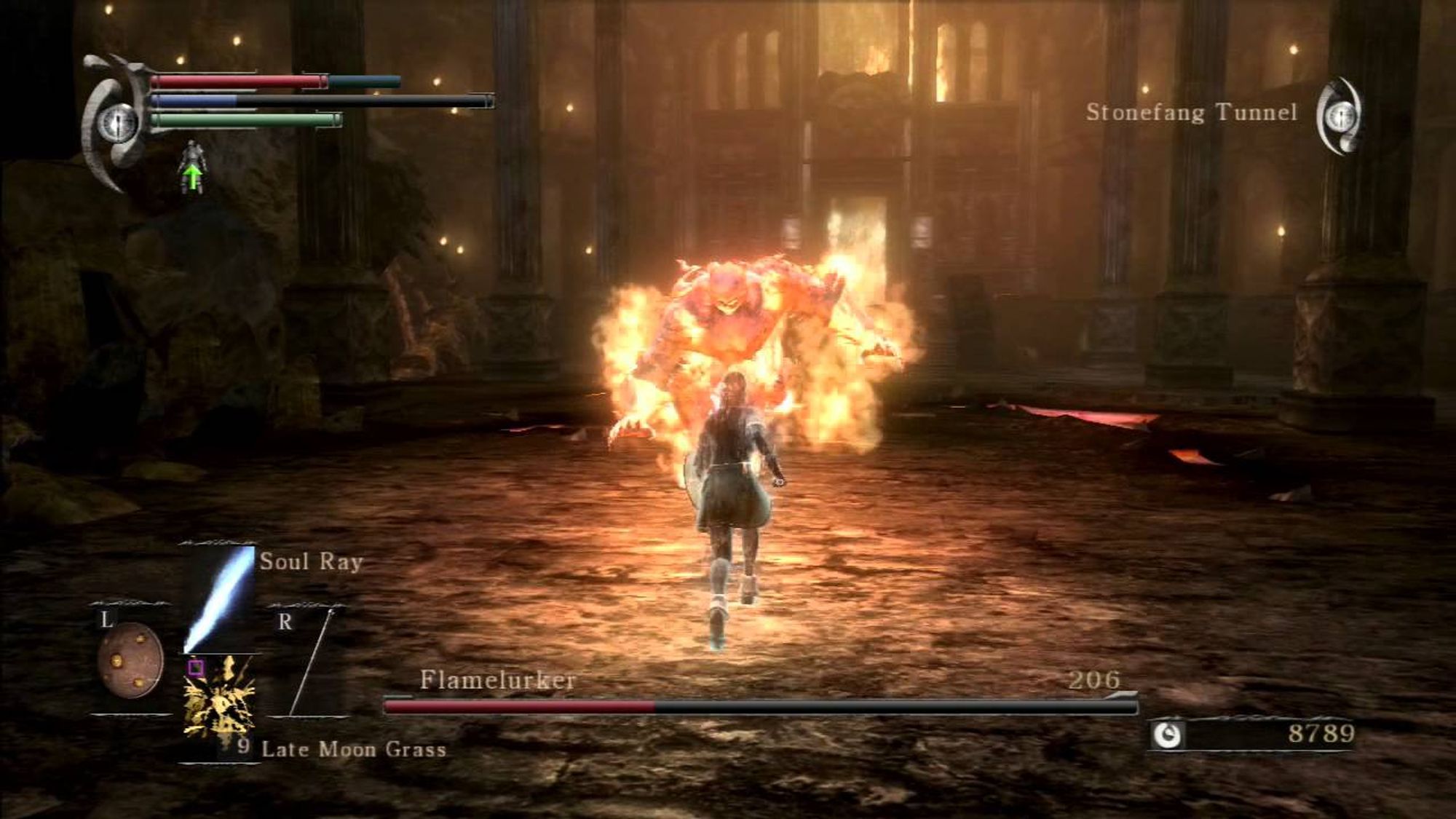
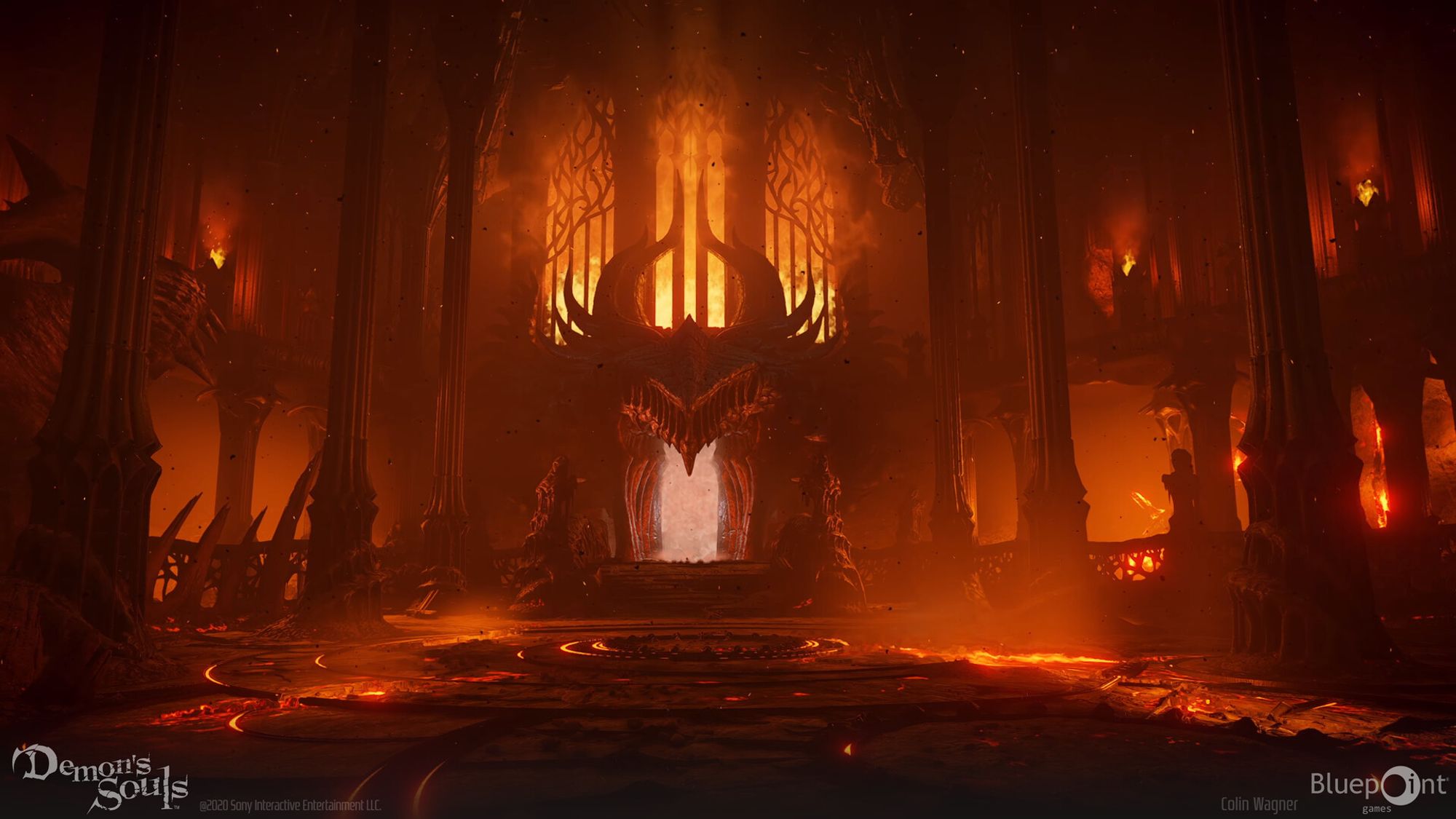
None of this is bad but it feels like every other game, resembling the well executed but utterly forgettable work you see all over Artstation. Art that gets you hired. When your director asks you for a fire demon, you know what he's thinking. Do you really want to to give him something weird or goofy looking? Even if you had a great idea, do you really want to bother when you know your Director won't go for it? Even if the Director likes it, the Executive Producer will send it back for revisions. Why are you making yourself more work?
So you do what's tried and true. You can look at the references to the left of the concept art and see that is well worn ground. So... what did he look like on the PS3?
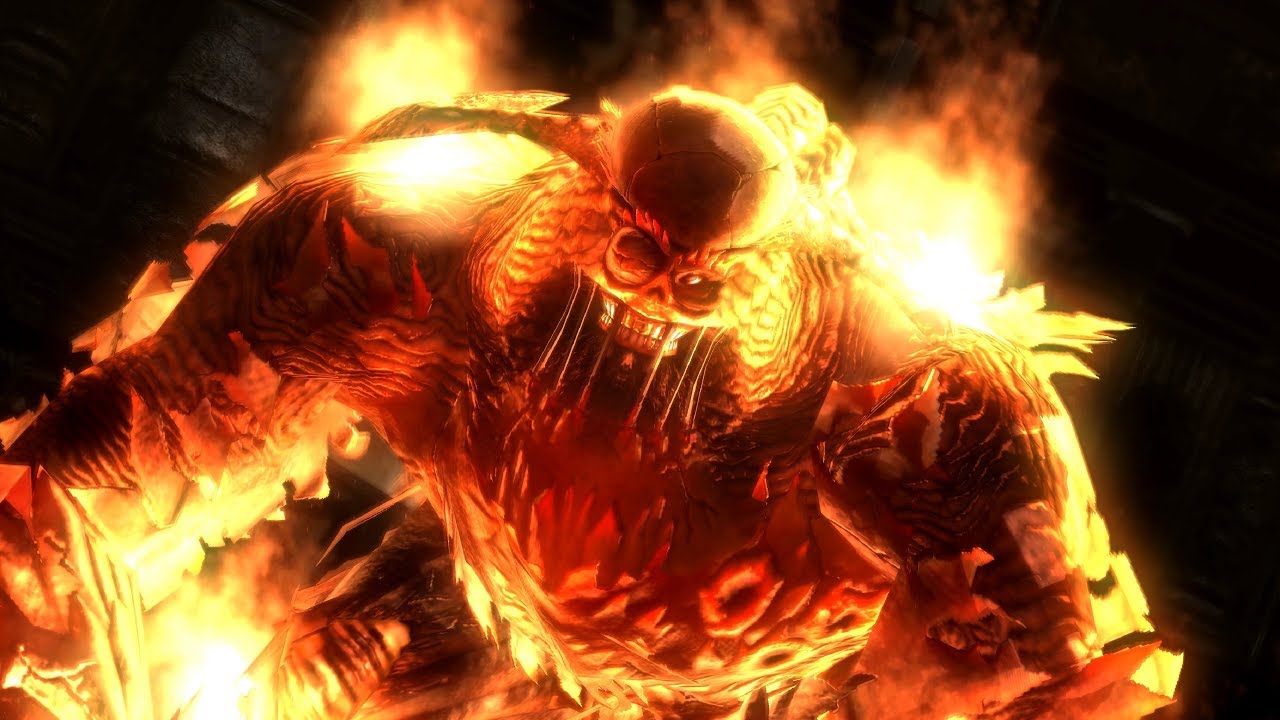
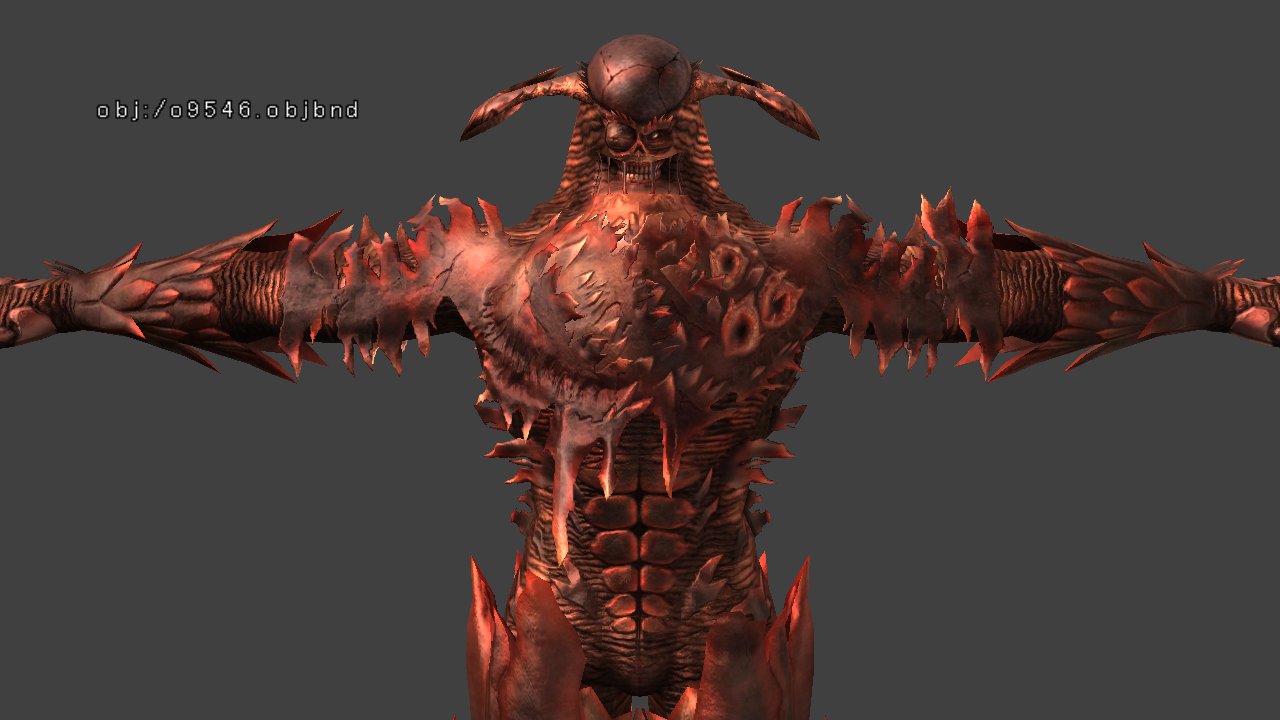
Flamelurker isn't lava. Flamelurker isn't fire. Flamelurker is on fire.
Your typical fire demon seeps lava like a monster drools. The lava is a natural part of itself. It, often, is the lava... but with the original flamelurker, all aspects of his design point to distress. Skin melting, not like rock, but like flesh. Clothes? Armor? Skin maybe? All peeled back painfully, flaying out, like birch logs curling in a fire. His soul is so hot it is used by the Blacksmith Ed to forge weapons. He looks blown out on screen compared to the PS5 version. Lava isn't that hot. You don't forge with lava unless you've seen too much bad fantasy. Lava melts, but fire burns. Wood burns. Flesh burns and carbonizes. These are the hottest flames. This is a fire disruptive to the being wielding it, destroying him from the inside.

Add to that all the potential lore... Flamelurker as the Legendary Big M, the man who killed dragons with his bare hands. Is this him, becoming like a dragon, like his likely descendants Ed and Baldwin, getting burned up alive by his obsession as is the usual metaphor in Souls game? Or did he die fighting the Dragon God? Is this burning his soul suffering and living on?
... Or is he just Lava Man Big, Very Hot? Just being strong and scary and posturing like a gorilla instead of being both uncannily monstrous and yet uncomfortably human? Fighting in a demonic hell temple, or in a temple of an old, fallen civilization... a mausoleum containing a great hero, used to symbolically seal away a god that didn't actually exist until the Fog brought it forth from legend?
Everything about the PS5 flamelurker, and his environment, and animations are so well executed... but they don't build to anything. They don't inspire any thought. While maybe not literal, as my old article would say, they are direct. The statistical average of a fire demon, in a statistically average arena, all executed with incredible skill. Is that not the true dream of videogames? To fight the most technically well executed big lava dude?
For me, as someone who doesn't care much about fidelity, designs like this leave me feeling nothing. This design does nothing to excite the imagination, or inspire curiosity. Even without all the possible lore, without all the deep readings... PS5 Flamelurker is an enemy I've seen in a million other games. He's probably a character in at least 3 different MOBAs. Even if the same design doesn't quite exist, it's existence is practically implied, an aspect of the ur-flame demon that exists at the center of the zeitgeist. Familiar and boring.
The original, at his worst, even if ALL the things I said about his design were bullshit and happenstance, he's still... a weird dude with a goofy face and a giant round dome of a head that makes me feel uncomfortable. Maybe I am a little nuts, but I value that more. "What the fuck is up with HIM?" is a at least a thought I can dwell upon, where the Remake's design, if in any other game, would flow past me as soon as I looked away. Rote to the point of inspiring incuriosity. At best it is a pretty image to distract me for as long as I choose to look at the screen. Modern media rarely tries to intrigue you with depth, but instead by keeping up the pace. Aggressive animations, colorful, complicated, dynamic arenas, bright particles and lights. Please don't look away, we've worked very had on this.
A child who is used to screaming for attention doesn't understand the power of marinating in silence.
This isn't exactly Bluepoint's fault, because they're not exceptional in this regard. Heck, if they're exceptional at anything it's genuinely at the technical ends of art. But they are the unfortunate technical team that's being given Art Games to remake. They represent the whole industry, they represent movie VFXs, and even the future of AI.
Cogs in the Machine
Mirai and I end up talking about AI art a lot and a point she made, as professional CG artist herself was... the industry already treats talent like AI. The pipeline strips out creativity. Everyone is given a task so small that they can't really have much expression. The spots where you can add your personal touch are almost invisible.
You don't make the whole 3d set, you either make one or two assets for a set. They have to match, so don't be ambitious. When you're assembling a 3d scene, you're working from the props made by other artists. You may rig a model exceptionally well, but you're working with the animators so you can't be too ambitious or experimental. The animators? They're cleaning up mocap data. The more the work is spread, the more consistent the output becomes. Then when it comes back, you get notes, and the process moves again, like tweaking a prompt or re-generating with a different seed. The bigger a production, the less influential one person becomes.
You still needed a concept artist, but that time is passing. A person in this context often becomes not so much a contributing artist but a machine that turns time and money into random pictures. Or... at least that seems to be how it feels to the people in charge. They don't want the most creative, interesting, or unique version of something, they want the boring thing they see in their head done well. They want an exceptional version of the average. You can look at that flamelurker reference sheet. It had no hope of being an interesting design, because the only reference it pulled was from art that already existed and a few pictures of lava. Things get made a certain way, so artists who want to get into the field copy those things, feeding those images to producers, who then expect things that look like that, creating a pretty but numbing feedback loop.
This is what AI does. It can't be creative, because it can't think laterally. It can't even think. It can just analyze a prompt and predict the average. "Trending on Artstation" is a common AI prompt for a reason.
To go back to my old article... An AI will give you McCreeCassidy from Overwatch, but it won't give you Bayonetta(Well, it'll give you Bayonetta because it's trained on a million pictures of Bayonetta because Bayonetta is so fucking cool). It can't give you Bayonetta because it doesn't know how to make a Witch without making a Witch. It won't give you Johnny from Guilty Gear because even though he is in no way an outrageous, or complicated design, you can't say 'make me an air pirate katana dude' because it doesn't know how and is fundamentally incapable of finding the design between the prompt. You'll get a... steam punk samurai with a cog for an eye patch.
You can maybe sit there and come up the design and all the little details in your head, trying to generate it by banging on Stable Diffusion for days... but ultimately if you want something like Bayonetta, you gotta pay someone like Mari Shimazaki. Either way, the creative thinking is coming from a human.
At the same time though, while AI is bad at these things, the systems in place right now are also bad at these things. Maybe not as bad, but often close. Young artists training for decades to be the mechanical turks of executives who have "the vision". Of course they'll be replaced, they're practically designed to be replaced. Commodified assets whose real value is only known by those closest to them.
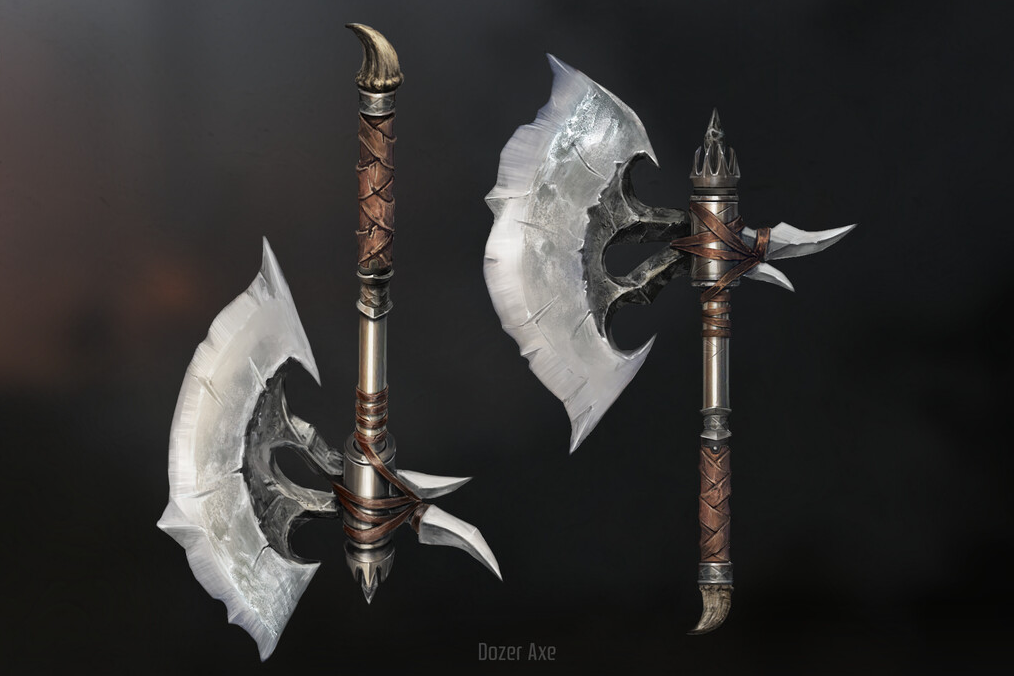
But these cogs are still human, and despite the restrictions in front of them, they still try to bring their passion to the things they work on. Losing them is not just a matter of lost jobs and wages, but that little bit of extra care, the safety valve for rich men and their unearned creative confidence. Human cogs can push back when they feel something is wrong with the machine. Because as utterly basic as Bluepoint's corporate tastes are, without real people around, there would have been no one to say no to this horrible Dozer Axe design(The one that ended up in the remake looks great and is proof at least one person on the team ACTUALLY loved Demon's Souls).
It’s Not About Yellow Paint
February 17th, 2024Final Fantasy 7 Rebirth released a demo and... there are yellow painted cliffs, reigniting a conversation that keeps coming up every few months. Now, I have no exact opinion on it's use in FF7R. It seems to be explained in universe (it's a temporary route, purposefully marked), and marking paths is hardly a sin. Hinting at the so called Golden Path is a fundamental aspect of level design. This isn't about FF7R.
... But oh god did it unfortunately choose that yellow paint that has come to symbolize a type of hand holding that has been wearing on players over the last decade. It has started to feel similar to the ancient Old Man Murray "Start to Crate" system, judging a game on "How long it took to see a crate", representing the point where "the developers ran out of ideas".
This standard wasn't exactly fair and neither is judging a game on using yellow paint. FF7R is probably fine, because again, this isn't about FF7R. It is, of course, not even about the yellow paint. It's about what the yellow paint represents.
It's Not About Leaving the Player to Struggle
A lot of people have responded to this pushback saying of COURSE modern games have to do this. They have to appeal to everyone. People didn't spend $60 dollars on a game just to get lost. Companies have to do this to make money you know!
But they don't have to. People will quickly point to Souls games, and while that works, those games always seem like they don't count. The exception, no matter how much they sell. You can't actually learn from them (even if you obviously can)... but I'm going to talk about Nintendo. Nintendo has played around on all fronts of tutorialization. Nintendo has many different kind of designers working for them. They can fall into bad habits like all of us but they tend to be ahead of the curve. Even going back to Super Mario Odyssey you can see what they chose to and what they chose not to communicate. You get your magic hat. It tells you to use it immediately. On the side of the screen is a video of human hands, doing the motion to throw your hat. The game wants to make sure you know how to use this basic ability.
... But then it doesn't tell you what to do with it. It doesn't even tell you what it does. It just surrounds you with things that can interact with this ability. It creates a space for play. You're here to play the game, right? "Oh here is a ledge that is too tall? Try catching this frog" ... and then what? Like obviously you know, and the game isn't even trying to make you feel clever for using the ability to jump without being told. You're not being told what to do because there isn't any rush. You'll jump up when you're ready. Because you're here to play... right?
Nintendo games will do things to help stuck player, to nudge them along. They'll use, like everyone else, basic level design to guide you around, but the goal usually isn't to get you to go The right way but to show you all the places you can go so you can play.
... And Dark Souls isn't much different. We might want to pretend the game is negligently unconcerned with our enjoyment but it is merely doing as much as it feels it needs to do to encourage play. Getting lost is part of the play, so you are given enough room to get lost. But discovery is also an important part of the experience so there needs to be enough things to entertain yourself finding before you stumble onto the right path. The game isn't indifferent to you, it's trying to enrich you and give you what it sees to be a good experience.
It's Not About Tricking Players into Thinking They're Smart
A type of response I saw from a lot of fellow game designers who didn't immediately dismiss the issue went kinda like this... "Okay look, players don't mind being lead around! They just don't like when it's obvious! They want to be lead around! So we have to trick them better so they think they're clever."
The painful thing here is that the general idea isn't wrong. The framing though... it bugs me. It bugs me a lot. People would accuse me and I Wanna be the Guy of adversarial game design, but honestly, no. I think this is adversarial. Not having a fun, playful relationship with the player, but looking at the player as an obstacle between us and our intended experience.
A designer friend of mine, Zara, said "Maybe it'd help if we didn't see players as a particularly stubborn breed of dog" and I feel like that's how a lot of designers look at game design. Like we're magicians, trying to fake emotions and accomplishments. We will lead the horse to water, and we will make them drink their $60+ worth of game. Nobody thinks they're smart for finding the ladder... and sure, they might feel dumb if they can't find the ladder. But we all feel dumb when we don't feel like we're trusted enough to even try.
If we design our games with the assumption that the player is an idiot, then they will feel that resentment when we hold their hand.
Enrichment, Agency, and Overly Paternalistic Game Design
As a kid, did you ever plan on doing something useful without being asked? Taking out the trash, or doing the dishes unprompted? Being proactive, showing thoughtfulness? ... and as you walk out of your room to do to the thing, a parent turns to you and goes "Hey, can you take out the trash?"
Maybe it's not with a parent. Maybe it's a boss, or a loved one. Regardless, no one in this situation is doing anything wrong but gosh does it feel like something was taken away... Worse, it often isn't as enjoyable as it would have been if you just went out and did it without them saying anything. It has been turned back into work. Repeat this too often and a person might feel like no one thinks they're capable of making the right choices on their own. They lose their feeling of agency.
Game Designers force this situation a lot in modern times. Overly aggressive popups, color coding, 'helpful' partners who bark the solution to a puzzle at you while you're just looking around for a moment. Waypoints for everything, markers for everything. All of these things good in their own context, useful design elements when appropriately applied, stacked upon each other until the game designer becomes a hover parent trying to ensure the perfect experience. You must be protected from yourself. What if you get lost? What if you don't know what to do?
Hinting through level design is not new. It's ancient technology. Super Mario Bros' coins, Donkey Kong Country's bananas, every aspect of Doom's level design always tries to give you some idea where you should be going. Dark Souls does not lead you to grope blindly. Buildings convey their importance in the distance. Lighting cues help guide you. Even enemies can be a way to funnel you were you should go. The thing is though... Most of these old things aren't 'compulsory'. They are used to set the expectation. To get you to try new things. Mario will use coins to get you to jump places to do things you don't even expect to happen. Oh, what, I can break out of the ceiling? And I only noticed because I tried to get some coins? You are taught what to look for, and then you are allowed to find it later on your own. Games like DKC, or something like Super Metroid create a relationship with the player. These hints get played with, subverted, omitted, and inverted, all to slowly expand the problem space in your mind to help you have enriching play.
A lot of modern, condescending game design fails to create enrichment. It's about going on the ride. It's the overly scheduled trip to Europe your friend planned that has an itinerary down to the hour. Homie, we're not going to Europe again for years! We gotta MAXIMIZE. But by maximizing, you miss the real experience. You miss the lazy morning in Paris, wandering around until you find an espresso place. You don't look at the reviews, you just go in. You have an authentic, human experience. Could you have gotten better coffee? Could you have planned to take a bus at 8:45 over across the city to have coffee at the 3rd best reviewed espresso place in all of France? Sure, but are you here for the coffee, or are you here for the experience? It is the down time, the space between the notes that make experiences special. You don't get that when your character is telling you what you should be doing every 10 steps in whatever current grey goo ubisoft game is out right now.
People worry about games now being made for stupid people. Dumbed down for idiots. I don't like that kind of disdainful thinking, judging peoples intelligence by how they interact with mainstream videogames. No, instead, we make games for the uninvested. Games for the people who want the sampler plater of the current zeitgeist. A child, with an brain not yet fully developed, will get through these games. They will look up answers. They aren't getting every release. It isn't about intelligence. They are getting through these games because they care more, and they have been doing this since home consoles were a thing. Meanwhile, most of my peers are more concerned with avoiding FOMO.
Do players get stuck on the simplest things? Absolutely. But no one buys a 60 dollar game and gives up on it because of some easy problem that can be solved with a google search. They give up because they have 3 other 60 dollar games waiting to be played. I am left wondering if game devs are more concerned with fun experiences, or avoiding negative ones. That when you don't finish their game, you at least remember it fondly. That you come back for the DLC. That you consider the sequel. If you have to make too many decisions, you might make unfun ones, so they keep you on a tight gameplay loop.
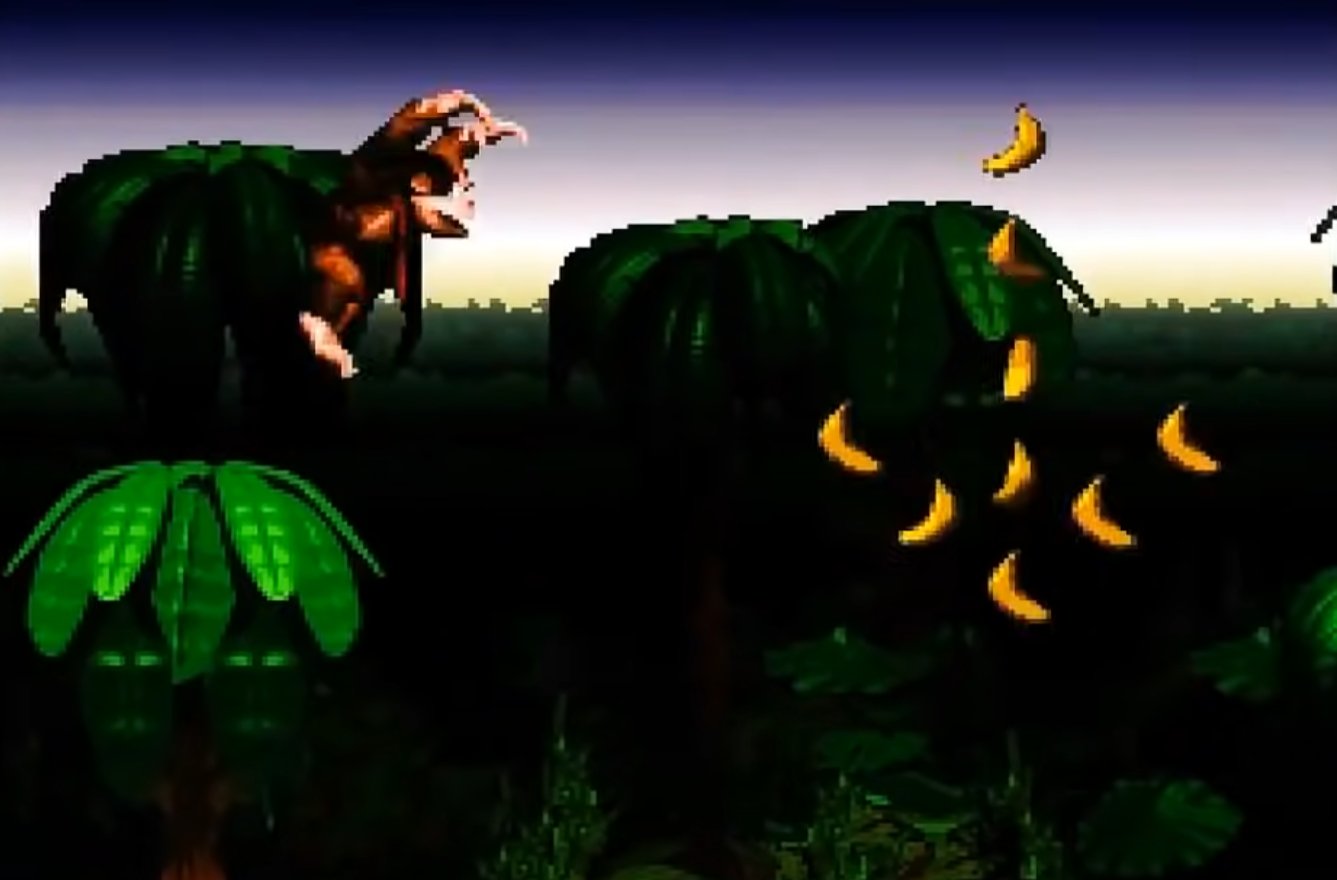 At least the SNES had none of this yellow shi-- aw fuck
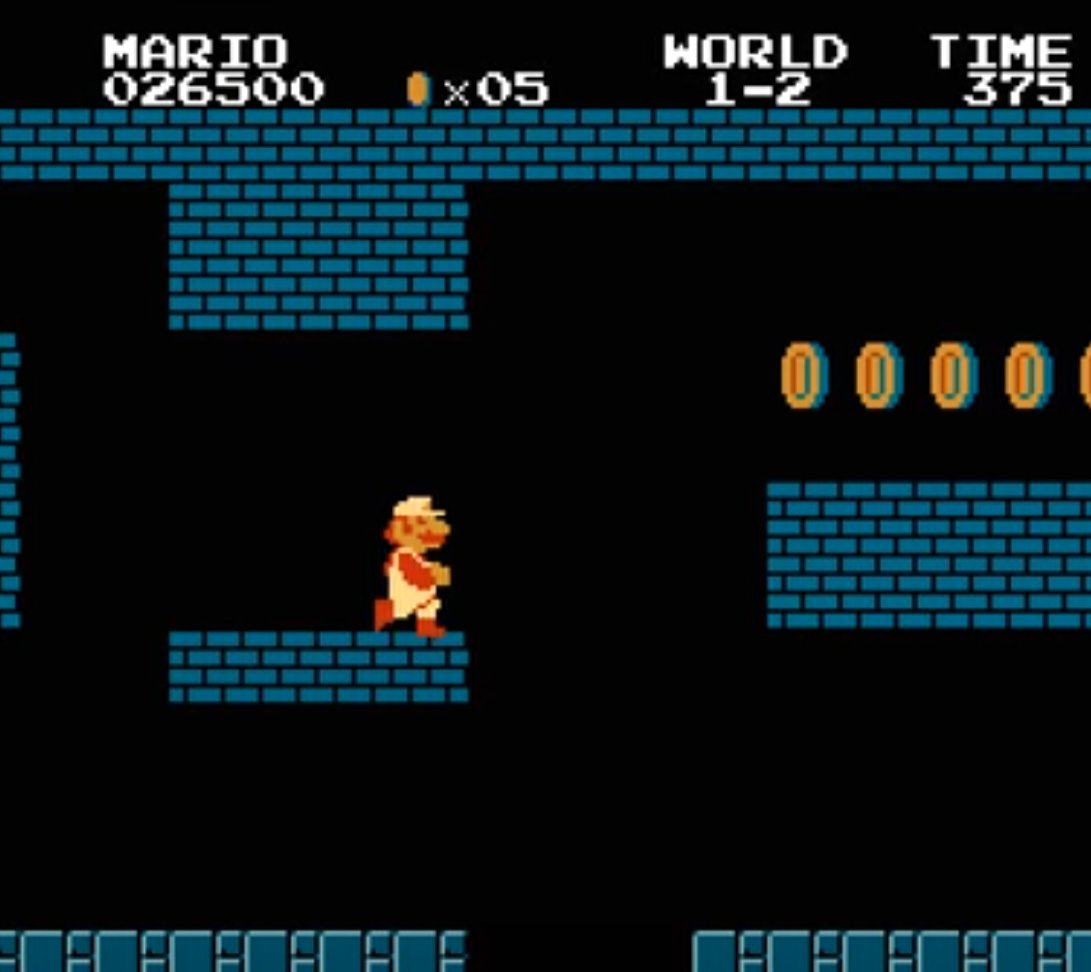 OKAY but the NES didn't--
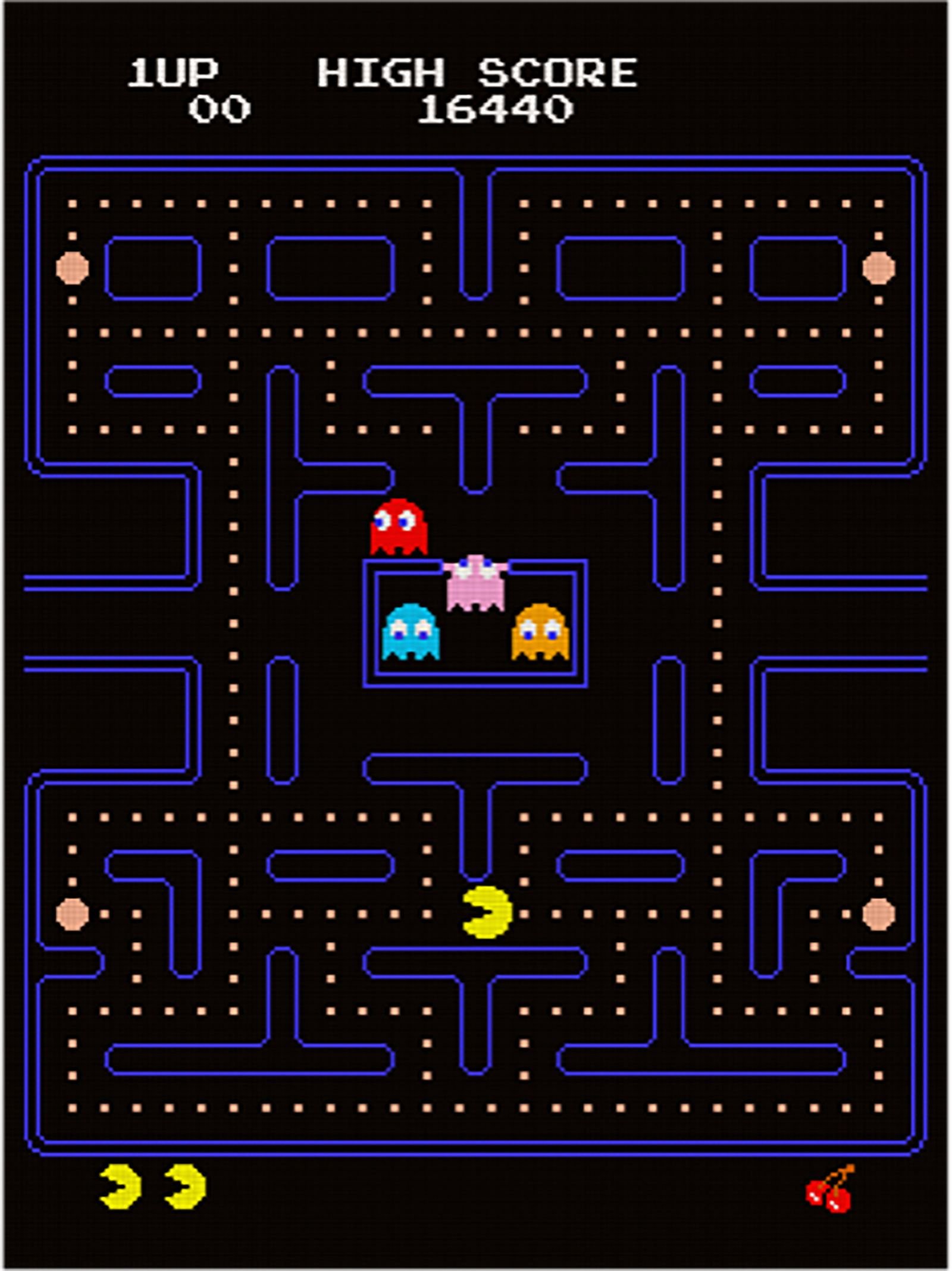 Surely the golden era of arcade games... damnit
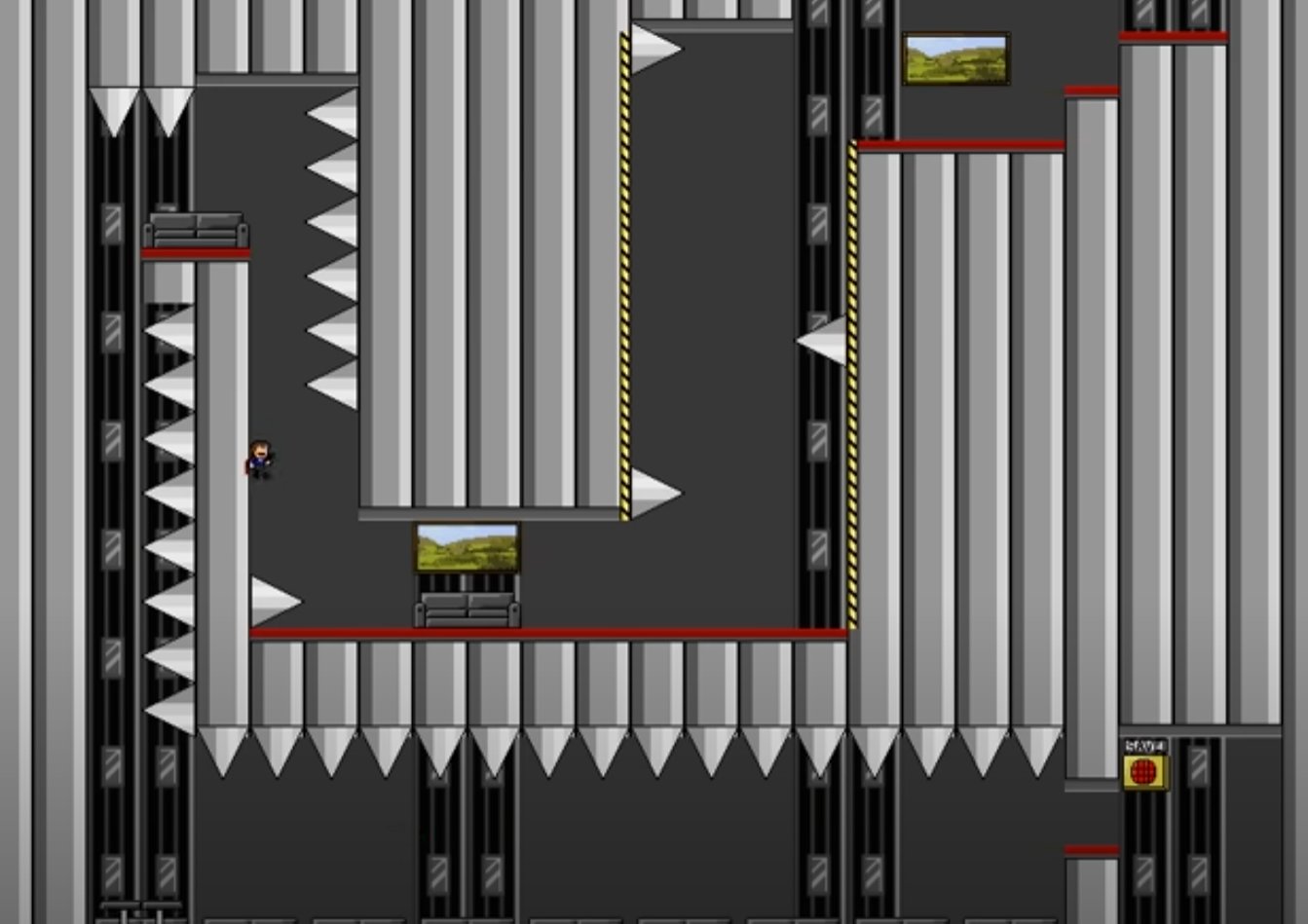 You know what? Fine, whatever. This wasn't about the yellow paint anyways.
It's not the made-up mythical "stupid gamers" (we all get stuck in silly ways and no one should be ashamed of that) bringing things down for everyone. It is our peers, who care more about being current than taking in an experience. Because we'll all get through whatever game ultimately catches our interest, no matter how obtuse it gets. But game devs can't count on that, so they keep you moving. It's Speed, with Keanu Reeves. Drop under 50 MPH and the player gets bored and moves on to the next Call of Duty game. Players will buy a game but don't play it with respect, instead turning a lot of their playtime into some weird cultural obligation, like watching the next marvel movie.
Game developers have a problem too. A huge problem is that watching someone get stuck is a thousand times worse than being stuck. This isn't just a developer problem, look at any twitch chat while someone is playing Dark Souls. Now imagine you made the game and you're watching. It's torture. My friend who conducts testing has to tell game devs to stay hands off. No interfering with the test!! The urge is there though. Every spot must be sanded down because watching someone get stuck for even a minute is worse than having a grain of sand stuck in your eye. But testing has it's limitations. It can help you see how intuitive a menu is, or how well new players can understand your mechanics, but you can't recreate the moment of a bunch of people buying a new game and talking about it. Or recreate the focus and stubbornness of someone who has been waiting for this game for five years. It's the same reason you get a lot of weird stories about successful movies having bad test screenings. You cannot simulate your release audience. But you can polish a game until all texture is gone, and the experience is like a line at disneyland. Well designed, impressively built, highly detailed, but still... a vapid experience, cosplaying as a richer one.
Players don't respect the games they play enough to let themselves get stuck, and designers don't trust them enough to get stuck. This is the end result of a relationship built on disrespect, condescending parents speaking down to their disinterested children, who are so used to being micromanaged that they've gone numb. Testing can tell you a lot of things, but not what years of disrespect will cause in the player base.
It's not about yellow paint, it's about the fact the modern AAA space has forgotten how to have a dialog with the player. It has forgotten how to enrich and has instead decided to only try and wow. Most players don't even notice. They're so far behind in their backlog that they want content that can go down easily, not because they're not capable, but because they're overwhelmed. Culture moves so fast.
The yellow paint is just a reminder. Another unneeded reminder to do the dishes.
Guest Characters, Fortnite, and the Capitalistic Collapse of Culture
January 17th, 2024I hate this fucking game pic.twitter.com/mlXPNMMOia
— Grongo Art (0/2) (@GrongoA) December 3, 2023
I think about this video a lot. It probably pops into my mind at least once a week. It's hilarious, but also dystopian. Hell, it's hilarious because it's dystopian. Seeing this weird game that is technically kinda actually really cool have so little identity of its own, instead being some viscous Ready Player One gruel of pop culture. Endless slop to help the Battle Passes go down easier. But this video, or any other random video of Naruto knocking off Jack Skellington, is... almost beautiful, like a dying star, sucking everything in with it's massive gravitational pull.
Guest Character’s Aren’t Bad but I Will Resist Them With Every Fiber of My Being
In my usual fashion I was popping off on twitter about how I'm honestly glad Street Fighter and Guilty Gear don't really do guest characters (I guess SFV had Akira but there is a weird DNA link there). Had some fun discussing edge cases or how things have changed but I didn't really argue too much with anyone, even though some people really disagreed. Like I'd get some QRTs calling me a stuffy nerd and well, I'm a stuffy nerd and this is the lowest stakes thing to talk about.
... I did read a lot of those replies though, and people venting in their own little threads and one bit just made me sad. Someone was venting about SF6 dumping all it's guest stuff into Battle Hub avatar gear. Overcharging for things. Not making actual costumes.
"Why even bother to collaborate to begin with?"
The word collaboration has stuck out to me since I've started playing SF6. "This month, we're collaborating with -X-!" ARE YOU? Are you really? Is any meaningful collaborating happening or is licenses and contracts being exchanged with a few notes? Because I'm pretty sure it's the latter for SF6 and a lot of other things. Why are their no quality costumes, or guest characters or whatever? Because the purpose isn't to collaborate, the purpose is to extract money with an intellectual property. If people will pay $15 for a Ninja Turtle, why do something as intensive as making a full Fighting Game character? Hell, you could do a character costume, but if the costume is Battle Hub only, you don't have to go through as many development channels. You don't have to argue with the Battle Director about if a costume reads clearly. You can already be a literal burrito there. No one will say no. It's the smoothest Content Pipeline they got. A lot of people assumed I hate Guest Characters because I'm a stuffy nerd. Sure, that's half of it, but the other half is all THIS.
This is the ultimate result of Guest Characters. This is the unavoidable end state.
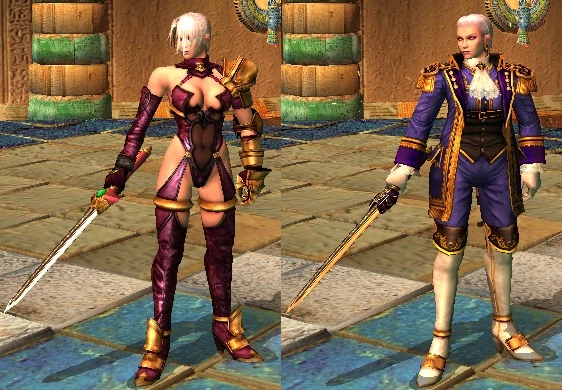 Alt costumes are cool sometimes
People would assume the same when I'd complain about DLC costumes. It's not that they can't be good. They HAVE been very good. Soul Calibur and Tekken had great 'Player 2' costumes for YEARS that were great expressions of other facets of characters. The current spread of SF6 costumes are pretty strong. But give it a few years. It's not that their can only be one canonical design, but when you are rewarded for putting out trash you will put out more trash. Not meaningful collaborations, but brands teaming with brands to extract value.
I kept joking on twitter that Akatsuki is the only good Guest Character. That's not true, but I think what's important is how clearly French Bread wanted to pay respect to Subtle Style and Blitzkampf. No one was getting that big Doujin Fighter paycheck. They are actually collaborating, as peers. Akuma in Tekken was a clear collaboration and a homage to the Cross-Over fighter that will never come to be (Cross Over fighters, unlike Guest Fighters, are cool, for the record. Every character is a First Class Citizen). Even Baiken in Samsho seemed like an attempt to help an industry colleague. There are actually a lot of reasonable guest characters. There are currently, despite MK's attempts, probably actually more good ones than bad ones.
... It's not really about Guest Characters. It's about the Rot.
Shadows of the Metaverse
I think a lot about Second Life, and everything that has tried to be Second Life since. Second Life is a strange game. Like Ready Player One we are left in the shadow of Snow Crash's metaverse. Second Life was a pretty capitalistic game. A game of shops and landlords and real money, even in the mid 2000s. Despite it's capitalistic roots, Second Life believed its value was in that of creativity. You could just MAKE things right there in the world. Want a cube? Here, have a cube. Move terrain, upload textures and animations, whatever. The game even had a UBI. While the income wasn't enough to afford housing (what else is new?) it allowed you enough money to upload textures and make things. All building and scripting (at least for the era I played in) was done in game. You didn't need external tools or 3d programs. Just a 2d texture editor. You could use paint. The game let you code like real ass code that you could run in world for free.
Turned out most people weren't interested in any of this. They wanted to have affairs in beautiful houses on the water and go to BDSM raves. Which, you know, also cool, but their priorities missed the mark of their audience. But in a way that was creatively liberating for weird freaks, furries and code perverts who ended up often being the true backbone of SL. Every attempted successor tried to fix this miss in priorities. These aren't games about creativity, they're about buying things. We'll have a whole confusing tool chain for content creators. This isn't about impulsive expressiveness and exploration this is about hustle. If you want to hustle, you'll read documentation.
They all pretty much failed though.
 VR is pretty great
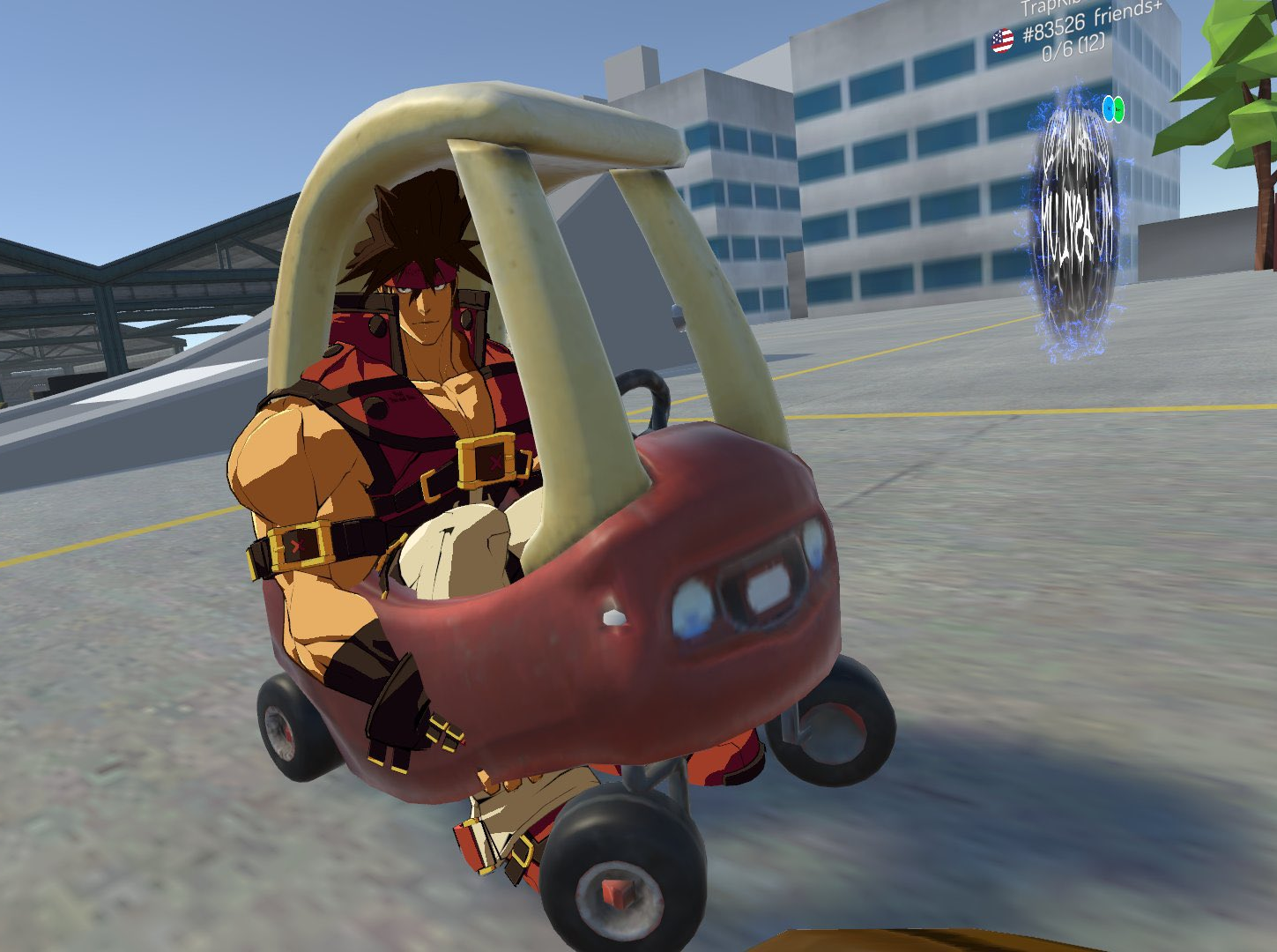
The true successor in the end was VR Chat. Not a one-to-one return to form, but perhaps better for it. There was something intrinsically Punk about Second Life. The fact that, despite it's capitalistic leanings, you could eat dirt, squat in a strangers house and build crazy public works in dark alleys. How you lived was meaningfully expressive. VR Chat celebrates creativity even more openly (but with less dirt eating). When you look at VR Chat you can see scenes unfold just like that Fortnite clip. It hits different. It isn't some emergent dark comedy shining through corporate slop, but genuine funny, expressive, personal chaos. It's sincere.
Punk won in Virtual Worlds space, but the monetization, the rot, just moved on.
Was the problem in Counter Strike that players couldn't express themselves? Were visual customizations in Call of Duty an obvious evolution of the game's identity? Were these things added out of a game design need or a financial one? I love the goofy SF6 World Tour avatars, but were they about expressing yourself or to be a vector for battle passes? I don't think any of these are strictly 'monetization', but they all seem motivated, or at least justified by it. This is The Rot, the force that brings the worst out of things, the perverse incentives that make systems and content insincere. Hating Guest Characters and cosmetics isn't about hating fun and whimsy, it's about trying to maintain a firebreak between sincere art and the corrupting forces of brand monetization.
... No, that's giving us too much credit. We can't stop it. We're just retching at the smell, the acrid taste of decay. It is a reminder of what is likely inevitable. While a few large games resist this force now, will they in 10 years? The market has been trained to want all their favorite culture and art pureed in a blender and fed to them through a straw. Some are so young they've never known a world that was any other way. For many, a fortnite clip and a VR Chat clip are basically the same. Even those aware of these horrible dark patterns often end up embracing the chaos rather than be miserable about what they can't change. What else can you do?
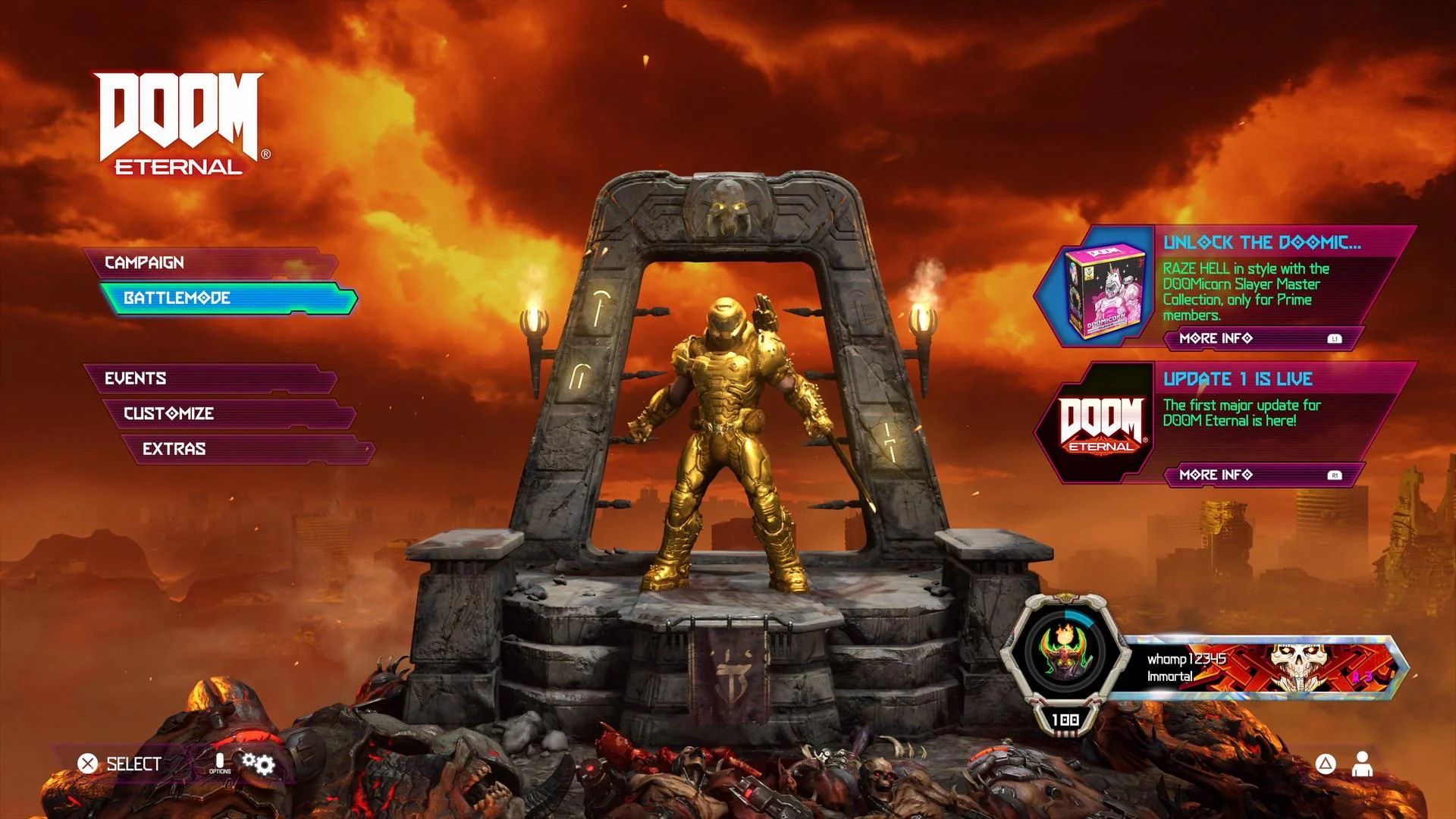
"Fine, fuck it, add John Cena to Street Fighter 6."
This is gaming's final form. Doom Eternal loads up with your Doom Slayer in a little shrine, so you can think that customization is important. It has to be important so you can pay little micro transactions to a corporation for the right to express yourself. All in an unwanted multiplayer mode that no one wanted or asked for. 3rd person cutscenes in Doom? Of course, if we don't show you how you look, you won't pay to look different. Does this make sense? Does this fit the vibe? The player base? Doesn't matter. This is the carcinization of AAA games, the evolution into the inevitable Monetization Crab.
I don't hate Guest Characters and Costumes. I miss sincerity.